
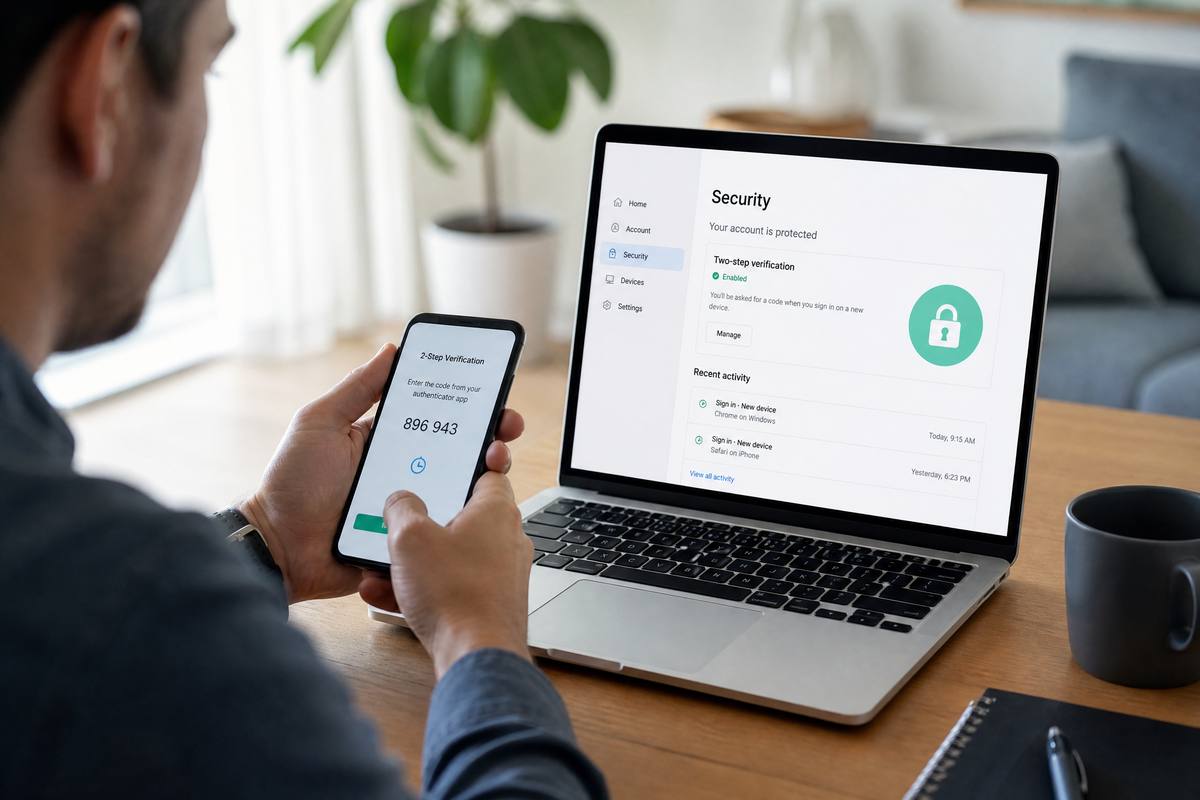
Identity theft is no longer just about stolen wallets or intercepted post. Today, it is a highly sophisticated digital crime. Fraudsters piece together your name, date of birth, and address history from data breaches and social media, and use it to open credit accounts in your name.
The financial and emotional toll of untangling identity fraud can be devastating. Here is how to lock down your profile.
1. Set up Credit Monitoring
This is your early warning system. A credit monitoring service alerts you the moment a new hard search is performed on your file or a new account is opened. If a fraudster applies for a loan in your name, you will know instantly and can stop it before the money is paid out. Use a free service like ClearScore, or a comprehensive paid service like Checkmyfile.
2. Shred Financial Documents
Old-school fraud still exists. Never throw bank statements, utility bills, or pre-approved credit card offers into the recycling intact. Buy a cheap cross-cut shredder and destroy anything containing your name and address.
3. Limit Social Media Sharing
Fraudsters use social media to answer security questions. Do not publicly share your exact date of birth, your mother's maiden name, your first pet's name, or the street you grew up on. Lock your Facebook profile to 'Friends Only'.
4. Use CIFAS Protective Registration
If you know your data has been compromised in a breach, or you have lost your passport/driving licence, register with CIFAS immediately. For £30, a flag is placed on your credit file requiring lenders to perform extra identity checks before approving any credit in your name.
5. Check Your Statutory Report Annually
Even with monitoring, you should download your full statutory report from all three agencies once a year. Look for subtle signs of fraud, such as a 'linked address' you have never lived at, or a mobile phone contract you do not recognise.