
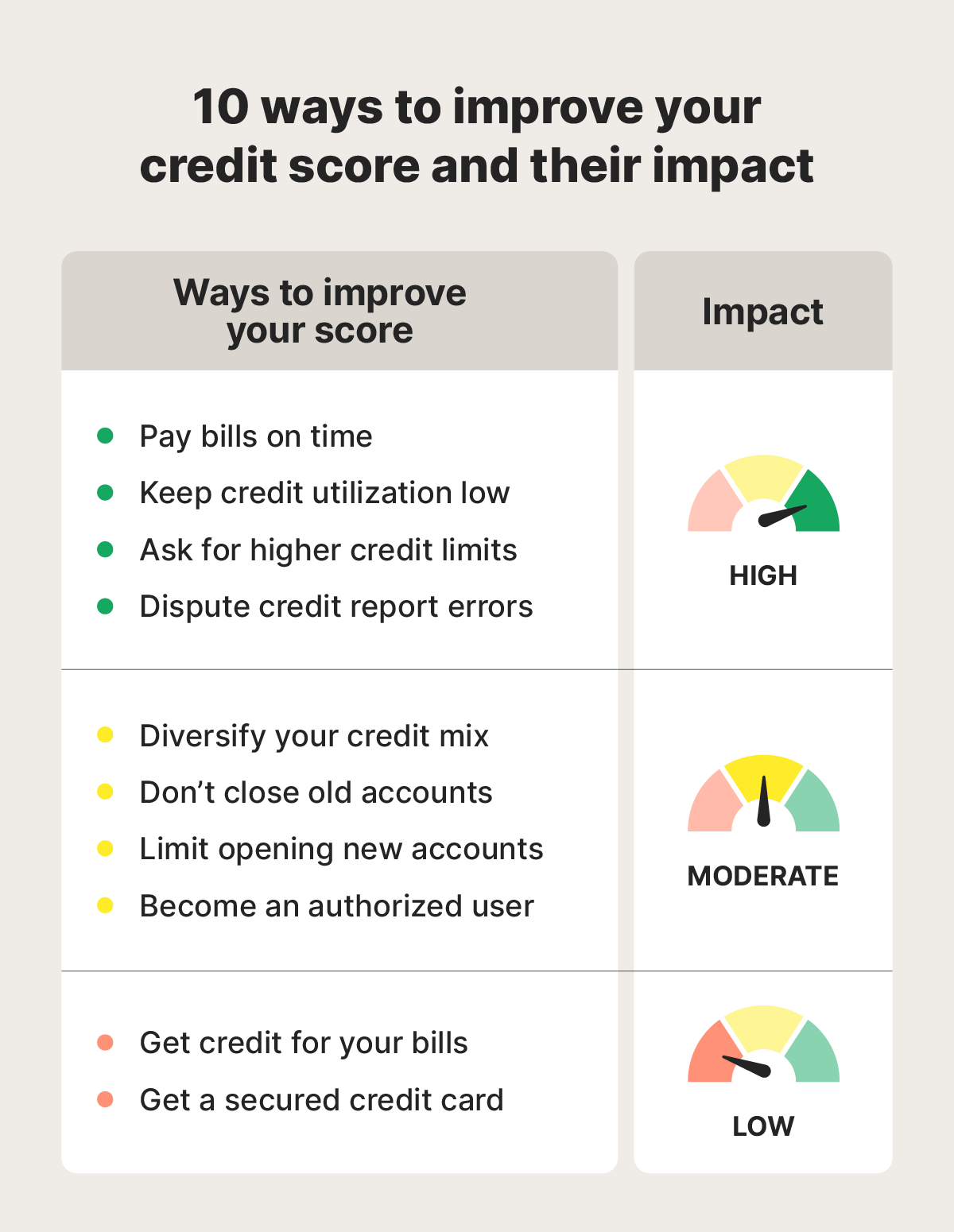
Your credit score is not a random number. It is a calculated reflection of your financial behaviour, built from the data held on your credit file. Understanding exactly what influences this score empowers you to make decisions that will improve your rating and unlock better borrowing rates on mortgages, loans, and credit cards.
Lenders use the data in your credit report to predict how likely you are to repay a debt. While each credit reference agency uses a slightly different algorithm, they all focus on the same core factors when calculating your score. Knowing these factors allows you to take targeted action rather than guessing what might help.
Payment History: The Most Important Factor
Your payment history is the single most important factor in your credit score. Consistently paying your bills on time demonstrates financial reliability and significantly boosts your rating. Conversely, missed payments, defaults, and CCJs cause severe damage that takes years to repair.
Even a single missed payment can drop your score by a significant number of points and remain visible on your file for six years. Set up direct debits for all your regular financial commitments to ensure you never miss a payment due to forgetfulness.
Credit Utilisation: The Second Biggest Factor
Credit utilisation is the percentage of your available credit that you are currently using. For example, if you have a credit card with a £2,000 limit and a balance of £1,400, your utilisation is 70%. Lenders prefer to see a utilisation ratio below 30%, and ideally below 25%.
Maxing out your credit cards signals that you are overly reliant on borrowed money, which lowers your score. The fastest way to improve your score is often to pay down existing balances. If you cannot pay down the balance, you can request a credit limit increase, which will lower your utilisation ratio without you spending anything extra.
Use our free Credit Score Improvement Estimator to see how much each action could boost your score.
Electoral Roll Registration
Being registered on the electoral roll at your current address is a simple but vital step that many people overlook. Lenders use the electoral roll to verify your identity and confirm you live where you say you do. If you are not registered, your score will suffer and you will find it harder to obtain credit.
You can register to vote online at gov.uk/register-to-vote. Even if you do not intend to vote, registering solely for the purpose of improving your credit file is entirely legitimate and widely recommended by financial advisers.
Hard Searches and New Credit Applications
Every time you apply for credit, the lender performs a hard search on your file. Hard searches are visible to other lenders and multiple applications in a short period make you look desperate for funds, which lowers your score. Always use eligibility checkers before formally applying, as these only perform soft searches that do not affect your score.
If you have found errors on your credit file, correcting them is one of the fastest ways to see an improvement. Even a small error can be dragging your score down without you realising it.